

If you’ve ever planted a climbing vine and then waited three years for it to cover anything, you know the frustration. This guide focuses on the “fast growing climbing plants for fences“ that actually deliver—covering a fence within one to two growing seasons. Top contenders for 2026 include Clematis, Star Jasmine, and Honeysuckle. For those in warmer climates, the Trumpet Vine offers almost aggressive growth and vibrant flowers, effectively turning a chain-link fence into a living wall in record time.
Top Fast-Growing Climbers at a Glance
| Plant | Growth Rate | Annual/Perennial | Privacy Rating | Best Zones |
|---|---|---|---|---|
| Clematis (some varieties) | 10-12 ft/year | Perennial | Medium | 4-9 |
| Virginia creeper | Up to 10 ft/year | Perennial | High | 3-9 |
| Trumpet vine | Up to 10 ft/year | Perennial | High | 4-9 |
| Morning glory | 10-15 ft/season | Annual | Medium | All |
| Wisteria | 10+ ft/year | Perennial | High | 5-9 |
| Climbing hydrangea | 3-5 ft/year | Perennial | Medium | 4-8 |
| Bougainvillea | 3-5 ft/year | Perennial (warm zones) | High | 9-11 |
| Honeysuckle | 15-20 ft/year | Perennial | High | 4-9 |
| Passionflower | 15-20 ft/year | Perennial/Annual | Medium | 6-10 |
| Sweet autumn clematis | 15-20 ft/year | Perennial | High | 4-9 |
Best Options by Priority
For Maximum Privacy in a Hurry
Virginia Creeper (Parthenocissus quinquefolia)
Virginia creeper is a North American native that covers a fence with dense, five-leaflet foliage faster than almost any other perennial climber. It attaches with adhesive tendrils – no ties needed. In fall, the leaves turn brilliant red.
It will cover a 6-foot privacy fence in 2-3 seasons. Nearly indestructible once established. Tolerates sun or shade. One honest note: it can be aggressive – plan to trim it back from gutters, siding, and neighboring plants regularly.
For Flowers + Fast Coverage
Trumpet Vine (Campsis radicans)
Hummingbirds go absolutely wild for trumpet vine – and it grows fast enough to cover a fence in a single summer in warm climates. The orange-red trumpet flowers are spectacular from summer through fall.
Warning: trumpet vine is a vigorous spreader. It sends up suckers and self-seeds freely. It’s best on fences that are away from garden beds where it could spread uninvited.
For a Cottage Garden Look
Climbing Roses
Not the fastest on this list, but worth mentioning because they’re the most requested. Fast-growing climbing rose varieties like ‘New Dawn’ and ‘Fourth of July’ put on 6-10 feet of growth per year once established. They require more care (pruning, disease management) but the payoff is extraordinary.
For Annual Color That Covers Fast
Morning Glory (Ipomoea)
Morning glory is the best annual climber for filling in a fence quickly while perennial plants establish. Direct sow seeds after last frost and by midsummer you’ll have dense coverage with blue, purple, pink, or white trumpet flowers. They reseed freely, often returning the following year.
For a Dramatic Statement
Wisteria
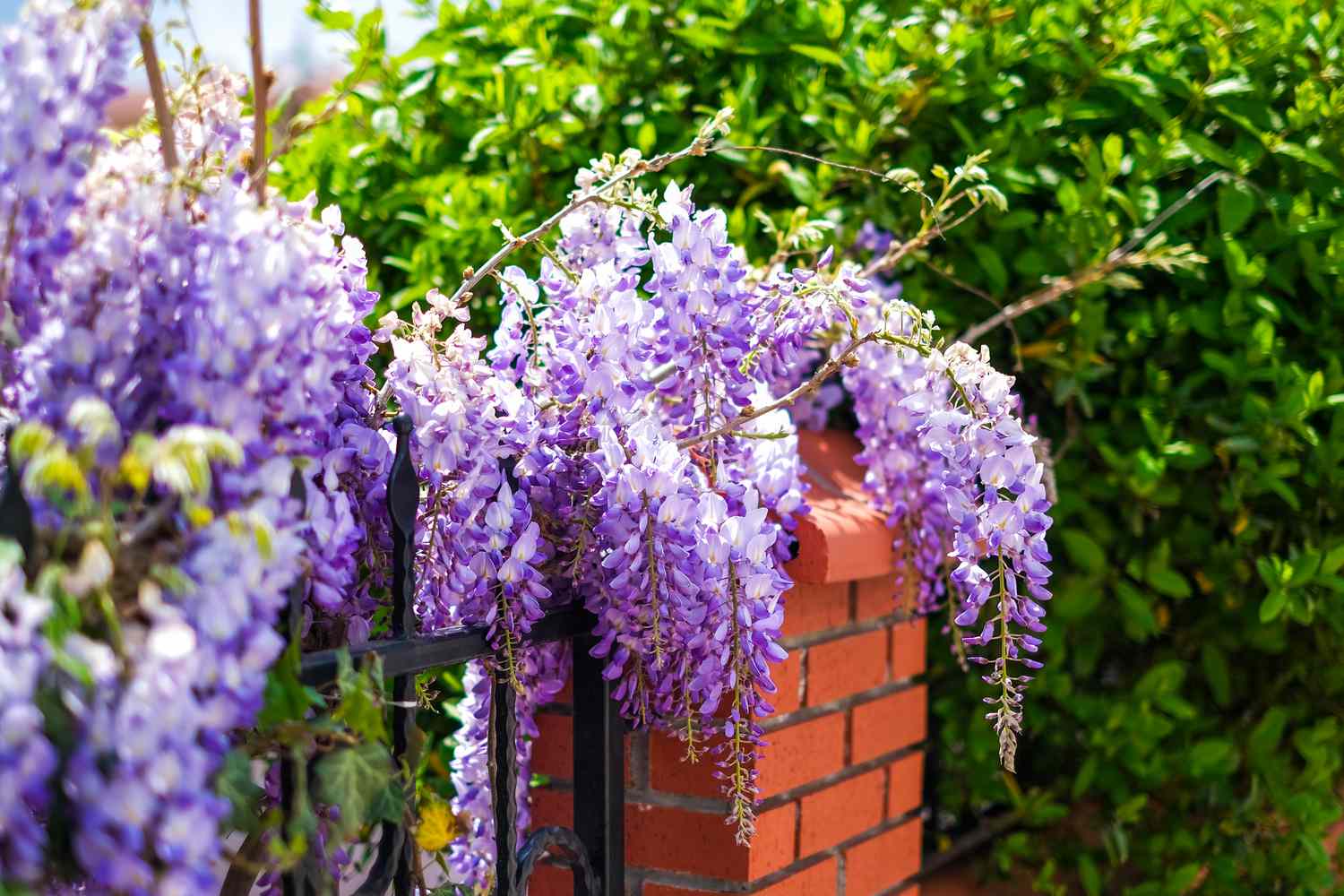
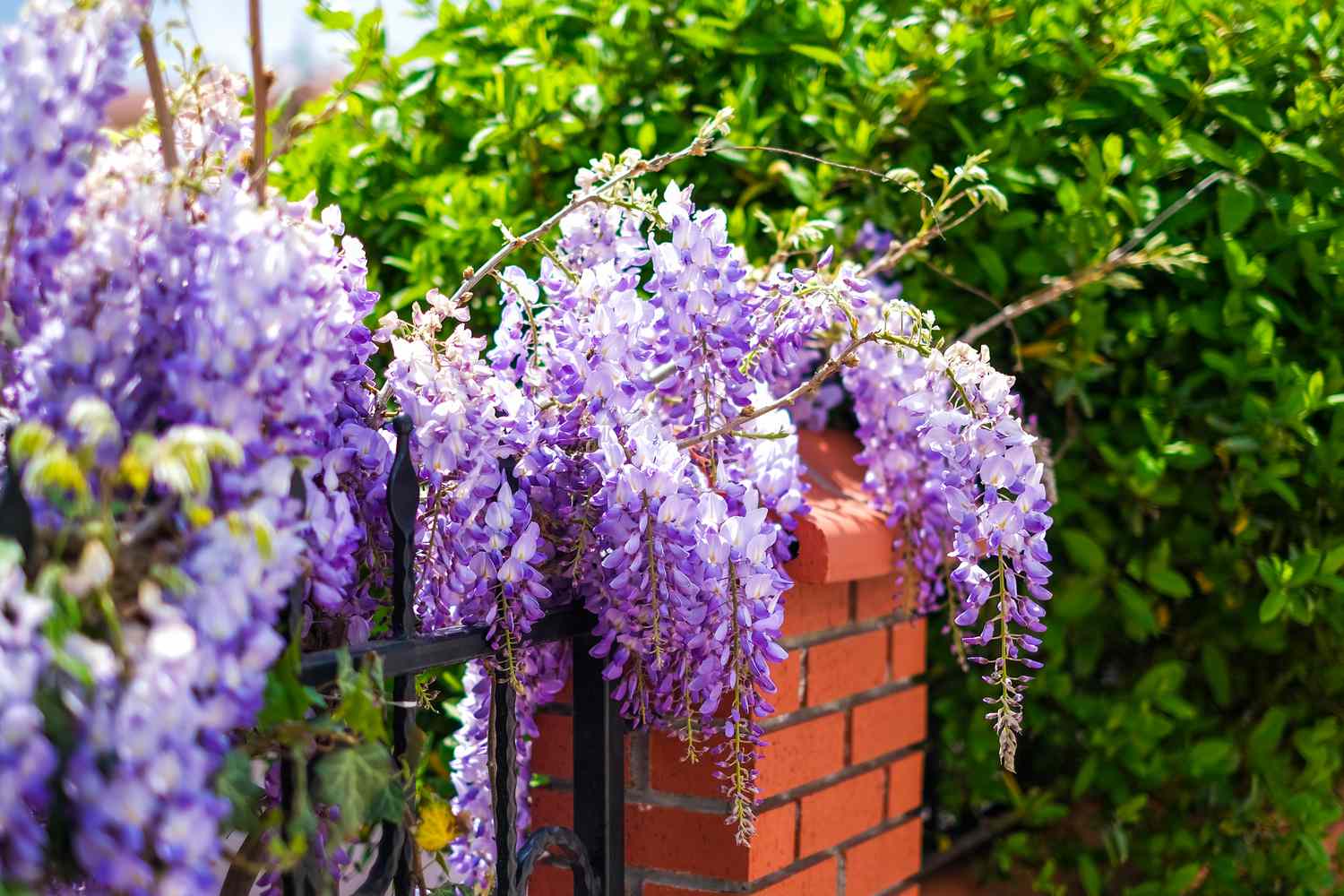
Wisteria grows at an almost alarming rate once established – but the first 1-2 years it spends putting down roots and may seem slow. After that, be ready. The cascading purple blooms in spring are among the most beautiful of any climbing plant. Use only on very sturdy fences or dedicated pergola structures – wisteria is heavy and strong enough to damage weak supports over time.
How to Make Climbers Cover a Fence Faster
- Prepare the soil well. Amend with compost before planting. Fast growth requires good nutrition and drainage.
- Water consistently in year one. Establishment is everything – drought stress in the first summer significantly slows growth.
- Train early. Guide stems toward the fence horizontally and tie them in place when young. Horizontal growth encourages lateral branching and fuller coverage.
- Fertilize in spring. A balanced slow-release fertilizer at the start of the growing season gives climbers fuel for their fastest growth period.
- Plant multiple starts. For quick coverage, plant three climbers spaced 3-4 feet apart rather than waiting for one plant to spread.
What to Avoid on Wooden Fences
Avoid: English ivy, Boston ivy, and climbing hydrangea on wooden fences. These attach with adhesive rootlets that penetrate wood and cause structural damage over years. They’re better suited to stone or brick walls.
Better choice for wood fences: Clematis, morning glory, climbing roses, and honeysuckle – all of which twine and need support ties rather than adhering directly to the surface.
The Bottom Line
For the fastest fence coverage, honeysuckle, Virginia creeper, morning glory, and sweet autumn clematis are your best performers. Plant in prepared soil, train the stems early, and water well in the first season. With the right choice, you can have a fully covered fence within a single growing season – or at most two.