


Natural vent flow is an essential aspect of designing comfortable, healthy, and energy-efficient indoor environments, especially in busy rooms where many people gather. In Halifax, where seasonal weather changes and building designs vary, careful attention to natural ventilation can improve air quality, reduce reliance on mechanical systems, and enhance occupant comfort.
What is Natural Vent Flow?
Natural ventilation uses wind and temperature differences to circulate fresh air through indoor spaces, removing stale air, pollutants, and excess heat. In Halifax’s mild and breezy climate, this approach can be effective in busy rooms, creating a healthier environment without relying on mechanical devices.
Key Principles for Designing Natural Vent Flow
Effective natural ventilation depends on a strategic design that leverages the environment and room layout. For busy rooms in Halifax, it is important to consider the following principles:
- Dual Openings: Each busy room should have at least two separate vent openings on opposite or adjacent walls to create a clear airflow path. This allows air to enter from one side and exit from another, facilitating continuous circulation.
- Cross Ventilation: Position openings so that they face prevailing wind directions in Halifax. Cross ventilation occurs when air pressure differences between the windward and leeward sides of a room promote airflow through the space, especially useful in larger or wider rooms.
- Stack Effect: Use vertical vent placement, with air inlets lower and outlets higher, to take advantage of warm air rising. This “chimney effect” naturally pulls indoor air upward and out, drawing fresh air in below.
- Unobstructed Airflow Paths: Inside the room, maintain open spaces or features such as transom windows above doors to prevent blockage of airflow within the room, ensuring air moves freely around furniture and partitions.
- Vent Size and Placement: Proper sizing of vents is vital. In Halifax’s variable climate, vents need to be adequate to handle the expected number of occupants and space volume without causing drafts or discomfort.
Practical Tips for Busy Rooms in Halifax
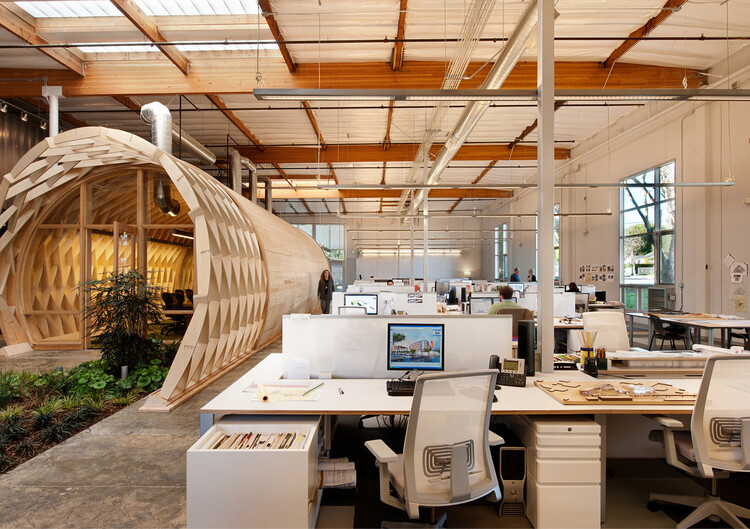
Busy rooms, such as offices, classrooms, or multi-use halls in Halifax, require thoughtful vent flow design to cope with high occupancy and varied use. Practical strategies include:
- Open Windows and Doors Strategically: When weather permits, opening windows on opposite sides of the room and doors can significantly boost ventilation efficiency.
- Use Ventilation Equipment Wisely: In rooms equipped with mechanical ventilation, combining natural vent flow with mechanical systems maximizes air exchange. For example, opening vents while running exhaust fans can enhance airflow.
- Create a Ventilation Routine: Encourage routines such as opening vents or windows before high occupancy times and during breaks to clear stagnant air effectively.
- Consider Room Layout Changes: Furniture and partitions can inhibit airflow. Arrange these to avoid blocking vents or airflow paths in busy Halifax rooms.
- Account for Halifax’s Climate: Design vent placement based on local prevailing winds and seasonal conditions, such as colder winters requiring balanced ventilation without excessive heat loss.
In conclusion, designing natural ventilation in Halifax’s busy rooms boosts health, comfort, and energy efficiency by applying techniques like dual openings and cross ventilation, delivering long-term benefits for buildings and occupants.