

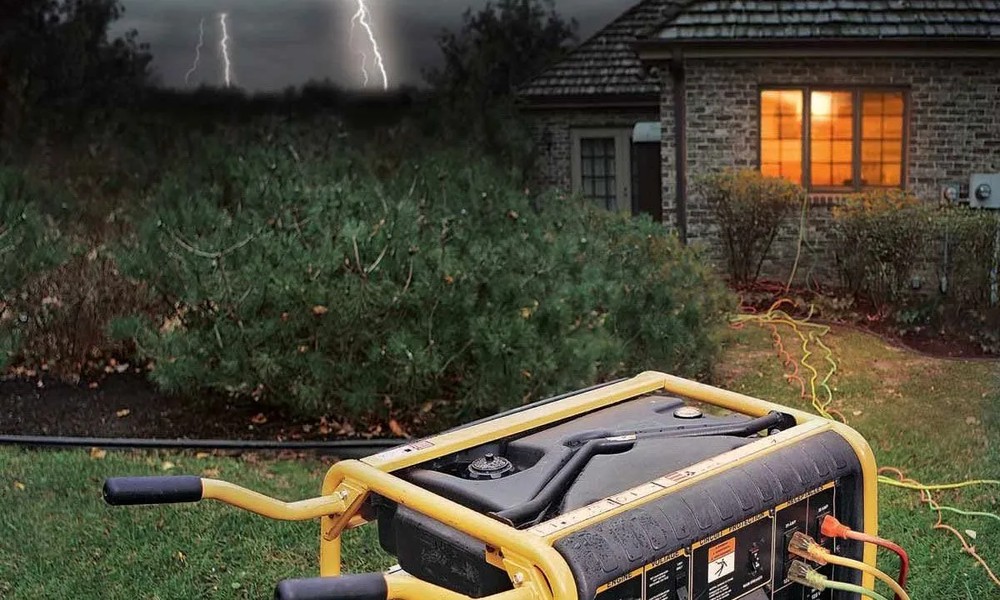
Storm season in Houston can bring sudden power outages that disrupt homes. Many residents rely on backup generators to stay safe and comfortable during these events. However, a generator can only perform well if it receives proper care ahead of time. Professional maintenance ensures that equipment is ready when severe weather arrives.
The Danger of Waiting Until the Last Minute
When a hurricane churns, the demand for Generator maintenance in Houston skyrockets. Every homeowner suddenly remembers their generator, leading to a backlog of calls that can stretch for days or weeks. By then, the storm may have already made landfall. A professional inspection requires time to diagnose issues, order parts, and perform repairs. Waiting for a warning to be issued leaves no room for that process. Scheduling maintenance at the start of the season ensures the system is ready to perform when the pressure is on.
A Thorough Inspection Reveals Hidden Problems
Generators are complex machines with many components that can degrade during long periods of inactivity. A professional technician does more than just start the engine and listen. They check the battery charge, which is a common point of failure, and inspect the fuel lines for cracks or leaks. They also examine the coolant levels, oil quality, and the automatic transfer switch that tells the generator to activate during an outage. These small, often overlooked details can mean the difference between a seamless transition to backup power and a frustrating silence when the power fails.
The Role of Proper Fuel Management
Fuel quality is one of the biggest threats to generator reliability. Gasoline and diesel can break down over time, gumming up carburetors and fuel injectors. A professional service includes stabilizing the fuel or advising on proper storage methods to prevent this degradation. For units connected to natural gas lines, technicians ensure the gas pressure meets the manufacturer’s specifications. Without this attention, the engine may sputter, fail to start, or run inefficiently, leaving a home vulnerable during a prolonged outage.
Extending Equipment Lifespan Through Care
A generator is a significant financial investment in a home. Like a vehicle, it requires regular service to reach its full lifespan. Neglecting Generator maintenance in Houston leads to premature wear on critical parts like the alternator and engine block. Professional maintenance establishes a service record, which is often required to maintain warranty coverage. By investing in routine care, a homeowner protects their asset and avoids the far greater expense of a full replacement after a single storm season.
Safety for the Household and the Crew
Operating a generator that has not been properly maintained presents serious safety risks. A malfunctioning unit can develop carbon monoxide leaks, which pose a deadly threat to a household. Electrical issues within the system can create fire hazards or cause dangerous back-feed into power lines, endangering utility workers trying to restore service. Professionals have the tools and training to test for these exact hazards. They ensure the unit operates within safe parameters, providing energy without putting anyone at risk.
The Value of Professional Expertise
There is a common belief that running a generator for a few minutes every month constitutes sufficient maintenance. While that is a good habit, it does not replace the trained eye of a professional. Technicians use diagnostic tools to assess the health of the alternator and the responsiveness of the control panel. They can spot corrosion on connections that a homeowner might miss. This level of expertise provides a guarantee that the system will function under the heavy load of a home’s essential appliances during a multi-day power outage.
For residents in Houston, the window to prepare for a storm is often short, but the aftermath of a hurricane can last for weeks. Relying on a generator without professional maintenance is a gamble with comfort, safety, and financial stability. By scheduling service during the calm months, homeowners take control of their preparedness.