

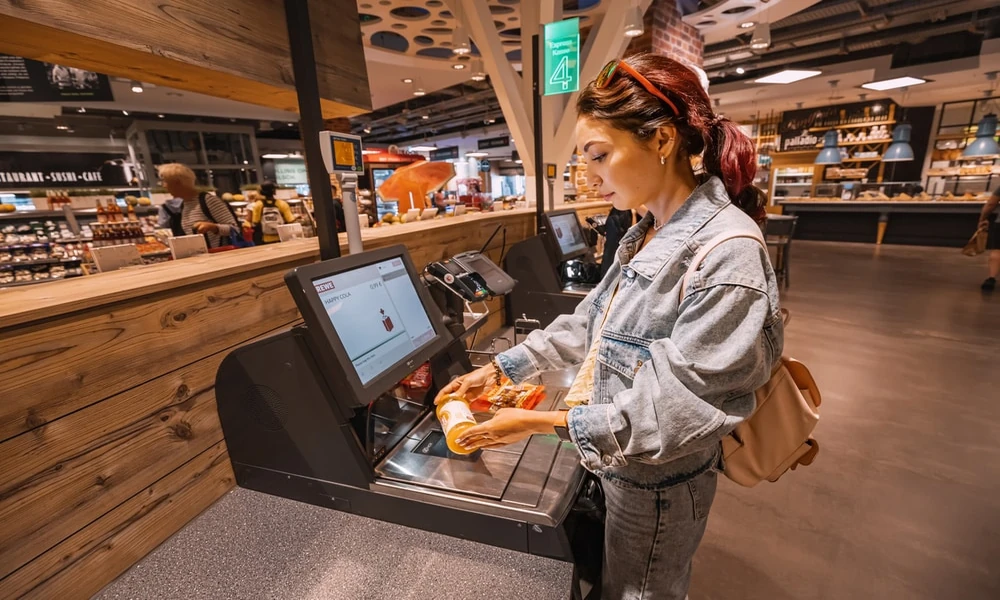
Auto transactions are some of the largest card payments a household makes outside of rent and travel. A brake job can run past a thousand dollars, a down payment can run several thousand more, and a tow often happens on the worst day of someone’s month. At that moment, how a business takes payment says a lot about how it runs. A chip reader that works, a clear receipt and a choice between tapping, inserting or paying by link all tell the customer the price was honest and the shop is organized. A cash-only sign, a reader that has to be coaxed back to life, or a surprise fee at the counter tells them the opposite.
Fast funding is a big part of keeping that checkout smooth. DFW Card Services, the Dallas processor that has served Texas merchants since 1995, deposits funds in as little as 24 hours. Its free PAX terminals handle chip, tap and mobile wallets, and its 24/7 customer service means a reader problem on a Saturday afternoon does not have to wait until Monday. For an auto business, payment acceptance is the part of Dallas Fort Worth Area auto marketing that happens after the ad has already worked. Interchange plus pricing, no long-term contracts, PCI-compliant encrypted processing and a free fee evaluation round out the offer for businesses across Dallas, Fort Worth, Plano, Frisco and Irving. A short call to the Dallas office is enough to see how your current setup compares.
Dealerships
The moment of payment: Card use at a dealership clusters in two places. The service drive sees steady mid-size tickets every day. Sales sees occasional large ones, such as deposits to hold a vehicle, down payments and add-on products. Some stores post a sign limiting how much of a down payment can go on a card. Card network rules generally restrict merchants from setting maximum card amounts, though, so confirm with your processor before printing that policy.
The cost side: Card fees are percentage based, so they grow with the ticket. A 2.5% blended cost on a $5,000 down payment is $125. That is real money, but so is a deal that stalls because the buyer’s cash is tied up in another account. Watch for transactions that get keyed in by hand instead of dipped or tapped. Keyed sales usually cost more and lose the fraud protection that chip transactions carry.
The trust signal: Large cash payments create their own paperwork. Under federal rules explained in IRS guidance on reporting cash payments over $10,000, a dealer receiving more than $10,000 in cash from one buyer, in a single transaction or related transactions, must file Form 8300 within 15 days. Card payments do not count as cash for this report. For many buyers, a clean card option is simply easier than walking in with a stack of bills.
Repair and Body Shops
The moment of payment: The job is often approved by phone while the customer is at work. Payment links sent by text, along with card on file authorizations, let the customer pay before pickup and keep the counter line short. Store cards only through your processor’s secure vault, never written on a work order.
The cost side: Remote payments are card-not-present transactions. They typically carry higher interchange than a tapped card and more dispute exposure. Clear written estimates, signed approvals and photos of finished work give you the documentation you need if a customer later disputes a charge.
The trust signal: An itemized invoice that matches the final charge to the cent prevents most disputes before they start. Surprise fees added at the register do the opposite.
Detailers and Mobile Services
The moment of payment: Mobile detailers, windshield techs and mobile mechanics get paid in driveways and office parking lots. A phone that accepts tap payments, or a small wireless terminal, covers most jobs. Check whether the device can store transactions offline in garages with weak signal, and understand the risk of a declined card that only surfaces later.
The cost side: Ceramic coatings, paint correction and fleet washes often involve deposits. Collecting a deposit by card at booking reduces no-shows. Disclose your refund terms in writing so a cancelled appointment does not turn into a chargeback.
The trust signal: A digital receipt sent on the spot replaces the handwritten slip. It also gives the customer something to find when it is time to rebook.
Towing and Vehicle Storage
The moment of payment: In Texas, card acceptance is not optional at the lot. The Texas Department of Licensing and Regulation’s vehicle storage facility enforcement rules list penalties for facilities that fail to post a sign stating they must accept cash, credit cards and debit cards for delivery and storage charges.
The cost side: Because acceptance is required, the goal is keeping card costs predictable rather than avoiding cards. Release payments are usually in person, so chip and tap acceptance keeps them in the lower cost categories.
The trust signal: Towing customers are often stressed and suspicious. A working terminal, a posted fee schedule and a receipt showing each charge go further than anything else to keep complaints away from TDLR.
Parts Sellers
The moment of payment: Counter sales, online orders and accounts for fleets and repair shops each run through a different channel. Online checkout falls under PCI DSS v4.0.1, which now includes requirements for monitoring the scripts that run on payment pages. Using a hosted payment page keeps most card data off your own servers.
The cost side: Commercial and purchasing cards used by fleets cost more to accept. Passing extra order data, known as Level 2 and Level 3 data, can qualify some of those transactions for lower interchange rates. This is worth asking about if business accounts make up a large share of your sales.
The trust signal: Returns are where parts counters gain or lose loyalty. Refunding to the original card quickly, instead of issuing store credit by default, keeps professional buyers coming back.
Fees, Surcharges and Texas
Every auto business eventually asks whether it can pass card costs on to customers. Debit and prepaid cards cannot be surcharged under network rules. The revised Visa and Mastercard settlement would widen credit surcharging rights, capped at the lower of 3% or your actual cost of acceptance, but it is still awaiting final court approval. Texas has its own credit card surcharge statute, and its enforceability has been disputed in federal court, so get current legal advice before adding a fee.
Many Texas shops choose a different route. They post card prices and offer a discount for cash, which the state has historically treated differently from a surcharge. Whichever approach you choose, disclose it before the work begins, not at the register.
Across all five business types the pattern holds. Customers judge the whole visit by how the last two minutes feel. A checkout that is fast, transparent and flexible about how people pay does more for repeat business than most shops realize, and it protects the margin that each large ticket carries.