

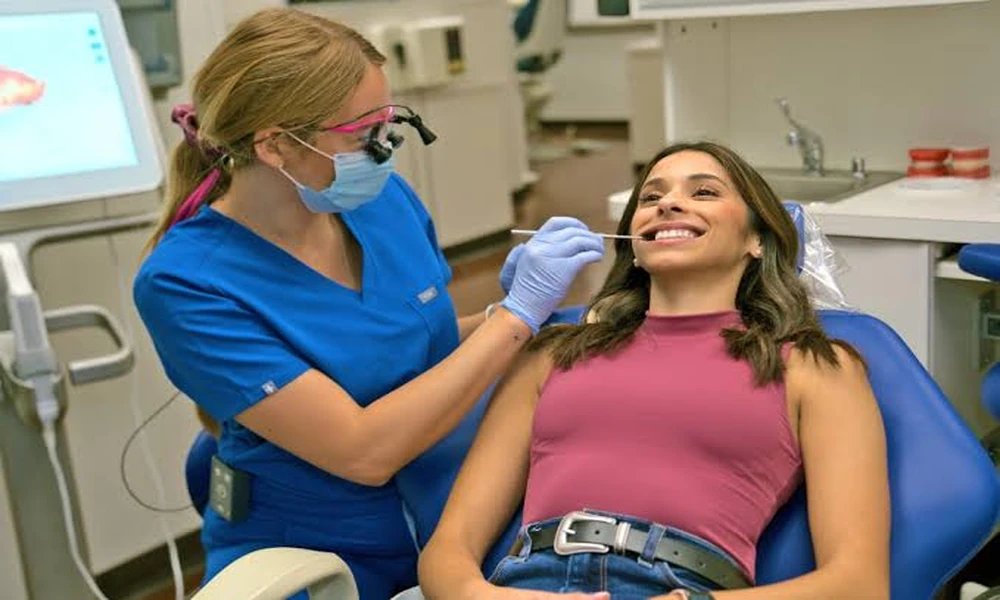
You brush, you rinse, you try to stay on top of appointments, and it can still feel like your teeth are one small problem away from becoming a bigger one. A little bleeding when you floss. A tooth that feels sensitive on one side. A cleaning you meant to schedule months ago. That is how many people end up here, worried about losing teeth but hoping it is not as serious as it feels. For those exploring options like Chelsea dental implants, taking action early can make all the difference.
The hard truth is simple. Most tooth loss does not happen all at once. It builds slowly through decay, gum disease, missed care, and small warning signs that are easy to ignore when life gets busy. That is why preventive dentistry matters so much. It protects your natural teeth before damage becomes expensive, painful, or permanent.
Keeping your own teeth is not only about appearance. Natural teeth help you chew well, speak clearly, and avoid the strain that comes with extractions, replacements, and repeated dental work. A trusted general dentist helps you catch problems early, reduce risk, and make choices that support preserving natural teeth for as long as possible.
Tooth Loss Usually Starts With Small Problems That Grow Quietly
A cavity rarely feels urgent at first. Gum disease often begins with swelling, tenderness, or bleeding that seems minor. You might think, “It does not hurt, so maybe it can wait.” That delay is where trouble grows.
According to the CDC, tooth loss often follows preventable oral health problems, especially untreated decay and gum disease. Once a tooth is badly damaged or the bone around it weakens, saving it becomes harder. Treatment also becomes more invasive and more expensive.
This is where prevention changes the outcome. Regular exams and cleanings give your dentist a chance to spot the early stages of decay, monitor gum health, check old fillings, and find stress points before they turn into fractures or infections. That is the core value of preventive dental care. It lowers the chance that a small issue becomes a lost tooth.
Gum Disease Threatens Natural Teeth Even When You Feel Fine
Many people think cavities are the main reason teeth are lost. Gum disease is often the bigger threat, especially in adults. It affects the tissues and bone that hold your teeth in place. You can have it for a long time without severe pain, which is why it gets missed.
The CDC explains that gum disease can range from mild inflammation to serious damage that loosens teeth over time. If your gums bleed when you brush or floss, if your breath stays bad, or if your teeth feel slightly mobile, those signs deserve attention.
What makes this harder is that people often adapt to symptoms. They chew on the other side. They avoid cold drinks. They stop flossing where it bleeds. That kind of workaround feels manageable until a tooth cracks, an infection flares up, or a dentist has to tell you the support around a tooth is gone.
Preventive Dentistry Costs Less Than Repairing Advanced Damage
Most people do not skip dental care because they do not care. They skip it because they are busy, anxious, or worried about cost. The problem is that postponing basic care often leads to the exact bills people hoped to avoid.
A routine cleaning and exam is usually far less costly than a filling, root canal, crown, gum treatment, or extraction with replacement. There is also the hidden cost of waiting. Time off work, disrupted sleep, pain during meals, and the stress of hearing that a tooth could have been saved earlier all take a toll.
Preventive dentistry is key to preserving natural teeth because it shifts your care from crisis response to steady protection. That approach gives you more control and fewer surprises.
Daily Habits and Professional Dental Care Work Better Together
Home care matters, but it cannot do everything. Brushing and flossing remove plaque, lower your risk of decay, and support healthy gums. Professional visits reach areas you miss, remove hardened buildup, and catch changes you would not see on your own.
The CDC shares practical oral health tips for adults, including brushing twice a day with fluoride toothpaste, cleaning between teeth daily, avoiding tobacco, and limiting sugary foods and drinks. Those habits are the base. A general dentist builds on that base with exams, cleanings, X rays when needed, and treatment plans tailored to your risk.
| Approach | What It Helps With | Limits | Likely Outcome Over Time |
|---|---|---|---|
| Home care only | Reduces plaque, freshens breath, supports gum health | Cannot remove tartar or detect hidden decay and bone loss | Higher chance of missed problems |
| Occasional dental visits | Addresses obvious issues when they appear | Problems may already be advanced by the time they are found | More repairs, more cost, more risk to natural teeth |
| Consistent preventive dental care | Finds early decay, monitors gums, removes buildup, protects restorations | Requires regular scheduling and follow through | Better chance of keeping natural teeth longer |
Small Consistent Steps Protect Your Teeth Better Than Big Repairs Later
Schedule routine visits and keep them. If it has been a while, start there. You do not need a perfect dental history to begin again. A general dentist can assess where things stand now and help you prevent further damage.
Take gum bleeding seriously. Do not write it off as normal. Bleeding, swelling, tenderness, and bad breath can point to gum disease, and early treatment can protect the bone and tissue that keep teeth stable.
Watch for changes in function, not just pain. Sensitivity, food getting stuck, a rough edge, jaw soreness, or chewing on one side all matter. Teeth often show trouble through subtle changes before severe pain starts.
Protecting Natural Teeth Starts Before Anything Feels Urgent
You do not need to wait for a broken tooth or a painful infection to take your oral health seriously. Prevention works best when life still feels normal, when the issue is still small, and when your options are still wide open. That is the real value of seeing a general dentist regularly. You preserve what is working, catch what is changing, and give your natural teeth the best chance to last.
If you have been putting off care, now is a good time to get back on track and make preventive dental care part of your routine.