


Hormones play a significant role in the health and appearance of our skin, and understanding their impact can empower individuals to better manage their skincare routines. A leading dermatologist in Vancouver sheds light on how various hormonal changes, from adolescence to menopause, can affect the overall condition of your skin and what you can do to maintain a healthy glow.
The Role of Hormones in Skin Health
Hormones are chemical messengers in our bodies that regulate everything from metabolism to mood. When it comes to your skin, hormones primarily influence oil production, inflammation, and the natural balance of your skin cells. Hormones such as estrogen, progesterone, and testosterone can either enhance or disrupt your skin’s natural functions, depending on their levels and fluctuations.
For example, during puberty, an increase in androgen hormones stimulates your sebaceous (oil) glands, often leading to oily skin and acne breakouts. This is why teenagers are particularly prone to acne. Conversely, during menopause, a decrease in estrogen levels can contribute to dry skin, loss of elasticity, and the formation of fine lines and wrinkles.
Acne and Hormonal Fluctuations
Acne is one of the most common skin conditions influenced by hormones. Hormonal acne often appears along the jawline, chin, and lower cheeks and tends to be more stubborn than other types of acne. It is not limited to teenagers-adults, particularly women, often experience hormonal acne around their menstrual cycles due to fluctuating hormone levels.
A Vancouver dermatologist notes that during the luteal phase of the menstrual cycle (the week before menstruation), progesterone and testosterone levels can rise, leading to increased oil production and clogged pores. For healthier skin during this period, it is crucial to cleanse thoroughly and incorporate exfoliants like salicylic acid into your routine to prevent buildup.
Hormones and Aging Skin
Aging also brings about significant hormonal changes that affect the skin. Declining estrogen levels during menopause can thin the skin, decrease collagen production, and reduce hydration. This can result in sagging, dryness, and the appearance of wrinkles.
To combat these effects, a dermatologist might recommend incorporating products with active ingredients such as retinoids, peptides, and hyaluronic acid, which promote collagen production and improve skin texture. Additionally, maintaining a healthy lifestyle with a balanced diet, hydration, and regular exercise can help counteract some of these hormonal changes.
How to Manage Hormonal Skin Concerns?
A proactive approach is essential for managing skin concerns tied to hormonal fluctuations. Here are some tips from a leading Vancouver dermatologist:
Consult a Specialist
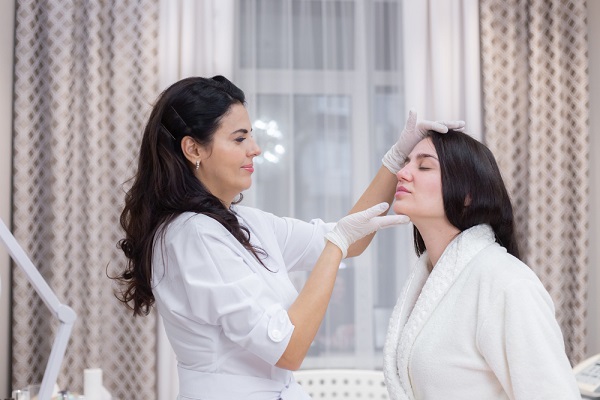
If you are dealing with persistent acne, excessive dryness, or signs of early aging, consult a dermatologist. They can provide tailored treatments such as hormonal therapy, topical medications, or chemical peels.
Adopt a Smart Skincare Routine
Use products that address your specific concerns. For example, opt for non-comedogenic moisturizers for acne-prone skin or ceramide-rich creams for dry, aging skin.
Pay Attention to Diet and Lifestyle
Reducing processed foods and consuming nutrient-rich meals can positively influence skin health. Adequate sleep and stress management are equally important, as cortisol, the stress hormone, negatively impacts the skin by promoting inflammation.
Protect Against Environmental Stress
Vancouver’s climate is often damp and cloudy, yet UV protection remains vital year-round. Apply sunscreen daily to shield your skin even on overcast days.
Conclusion
Every individual’s skin is unique, and hormonal fluctuations affect everyone differently. Whether you’re in your teens battling acne or navigating skincare changes during menopause, understanding the link between hormones and your skin can make a world of difference. A qualified dermatologist can assess your skin’s needs and provide customized strategies for dealing with hormonal influences effectively.