

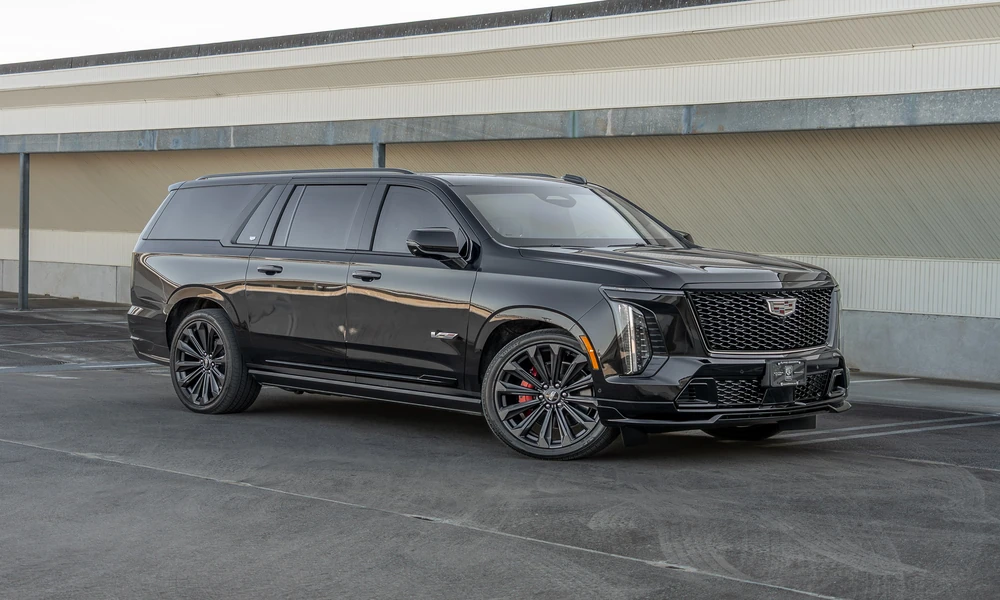
When every journey can bring unexpected risks, the idea of an armored SUV transforms from a luxury into a necessity. For those who demand both top-tier protection and seamless performance, the choices can seem overwhelming. What exactly separates a standard SUV from one that truly shields its occupants in high-risk scenarios? The answer lies in understanding the intersection of modern security threats and advanced engineering.
Understanding the Need for an Armored SUV
Public figures, business leaders, and even families operating in volatile regions face rising security threats on the road. Incidents of carjacking, armed robberies, and targeted attacks are growing in both frequency and sophistication. Standard SUVs, no matter how robust, are built for comfort and style, rarely offering protection beyond standard airbags and crumple zones. In contrast, armored SUVs are engineered to withstand firearms, explosives, and forced entry attempts, offering peace of mind when the stakes are high.
Who benefits most from these vehicles? It’s not just celebrities or dignitaries. Anyone who values personal security, executives, diplomats, or those traveling through areas with heightened risks, can find genuine value in an armored SUV.
Key Safety Features to Look For
Every armored SUV is judged first by its ballistic protection level. These are standardized ratings indicating what caliber of ammunition the vehicle can withstand. For example, a Level B6 rating protects against high-powered rifles, while Level B4 is suitable for handguns. But bullet resistance is only part of the story. True safety means structural reinforcement that can absorb blasts and shrapnel, run-flat tires that keep you moving despite punctures, and advanced surveillance systems for real-time threat detection.
Modern models seamlessly integrate surveillance cameras, intercoms for external communication, and even smoke screen deployment. None of these features should compromise day-to-day operability.
Balancing Performance with Protection
A common concern is whether armoring turns a dynamic SUV into a sluggish tank. The reality is more nuanced. Armor adds significant weight, which can affect handling, acceleration, and braking. Top builders address this by upgrading the suspension, brakes, and engine to compensate for the extra heft. The result is a ride that, while heavier, still feels agile and responsive.
Fuel efficiency does take a hit, but the trade-off is often minor when compared with the added security. For those who travel long distances or need quick getaways, newer armored SUVs use advanced materials like composite armor to keep weight gains manageable.
Selecting the Right Model for Your Needs
From the Cadillac Escalade to the Toyota Hilux, the market hosts a spectrum of armored SUVs, each with unique strengths. Luxury models like the BMW X5 and Mercedes Benz Brabus focus on discretion and comfort, blending easily in urban environments. Meanwhile, vehicles like the GMC Duramax Denali or Ford 350 cater to those who need ruggedness for demanding terrains.
Customization goes beyond choosing a brand. Threat level, primary usage, and regional context all play roles in determining the right specs. Some require reinforced floors for blast protection, others focus on blending into a crowd without sacrificing armor. The choice between a functional workhorse and a luxury cruiser comes down to priorities, style, comfort, or pure utility.
Evaluating Quality and Materials
Not all armored vehicles are created equal. The best use industry-tested ballistic steel and composite materials, verified through independent certification to meet or exceed global standards like VPAM or NIJ. This independent testing isn’t just a formality; it separates genuine protection from mere window dressing.
Reliability also matters. High-quality bulletproof SUV builds undergo rigorous stress tests to ensure longevity without compromising drivability, even after years of use.
Cost Implications and Budget Planning
Pricing varies dramatically based on the level of protection, brand, and custom features. Entry-level armoring might start around $40,000 above the base vehicle cost, with high-end builds scaling well over $150,000. The investment, however, should always be weighed against the value of safety and long-term reliability. Financing options and specialized insurance are both available but may require working with niche providers familiar with armored vehicles.
| Armor Level | Typical Added Cost | Protection Focus |
|————–|——————-|—————————|
| B4 | $40,000 – $65,000 | Handguns, basic attacks |
| B6 | $75,000 – $120,000| Assault rifles, higher risk|
| B7+ | $130,000+ | Explosives, highest risk |
Working with a Trusted Armoring Provider
The expertise of your chosen armoring company is crucial. Leading providers start every project with an in-depth needs analysis, considering threat level, intended usage, and regional factors. Proven track records, transparent material sourcing, and adherence to international standards are non-negotiable. After-sales support, like maintenance, parts, and warranty, makes a significant difference in long-term satisfaction.
Taking Action: Steps to Choose and Purchase Your Armored SUV
Begin by outlining your specific safety and performance requirements. Schedule consultations and, if possible, arrange for test drives or demonstrations. Analyze proposals for material quality and certifications. Once you finalize your order, prepare for a delivery timeline that can range from weeks to months, depending on customization. Regular maintenance and checkups ensure your armored SUV remains a reliable fortress, ready for whatever the road brings.
Choosing an armored SUV is both a financial and personal commitment. By understanding your needs and insisting on proven quality, you secure not just a vehicle, but peace of mind on every journey.